
Sterilization of dogs and cats in Kyiv
Let’s discuss one very important question that pet owners often face nowadays. This question is: “Is sterilization necessary, in principle?” and “At what age is it better to perform this procedure?”.
Ovariohysterectomy is a cavity operation aimed at eliminating the sexual instinct and the ability to reproduce. In addition, it helps to completely eliminate the risk of pyometra, purulent inflammation of the uterus, and if performed before the first estrus, it significantly reduces the risk of developing common hormone-dependent malignant mammary tumors in the future, not to mention giving the animal the opportunity to live a happy life.
Also:
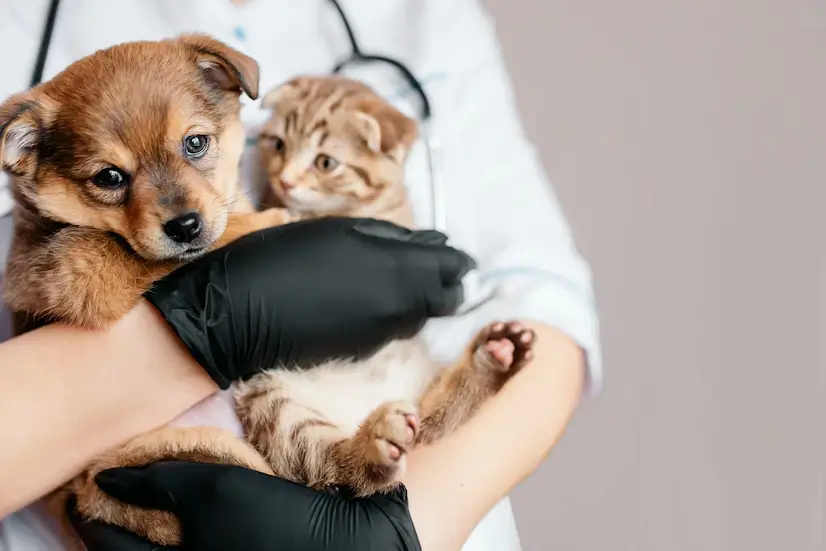
When and at What Age Can a Cat Be Spayed?
Optimal timing of planned sterilization:
There is a common misconception that young animals should be allowed to give birth before sterilization. In fact, sterilization is more effective in pets that have not given birth. After pregnancy and childbirth, sex hormones begin to be produced not only by the ovaries, but also by other endocrine glands. Because of this, symptoms of estrus can be observed for several more cycles, and sometimes persist for life, and the main goal of sterilization - behavior correction - remains unattainable.
Preparing for ovariohysterectomy
Only a completely healthy animal can be sterilized (except in cases where it is an emergency and the purpose of the operation is to save the pet’s life). At least a month before the surgical intervention, a full vaccination must be carried out, and anthelmintic treatment must be carried out at least 10 days before. If urgent surgery is required and the pet is not vaccinated, hyperimmune serum is administered, which reduces the risk of infection.
Before sterilization, a number of examinations must be performed:
First of all: a doctor's examination.
It is performed to diagnose the condition and determine the importance of performing a diagnostic, planned or emergency procedure.
First of all, the examination focuses on the functioning of the body's vital systems:
respiratory, cardiovascular and excretory.
A detailed history of the animal's life is collected:
what it eats, what conditions it is kept in, whether it has been vaccinated. The history of the disease includes symptoms of the disease, previous treatment, allergic reactions, chronic diseases, etc.
Conducting additional diagnostic examinations:

Postoperative care
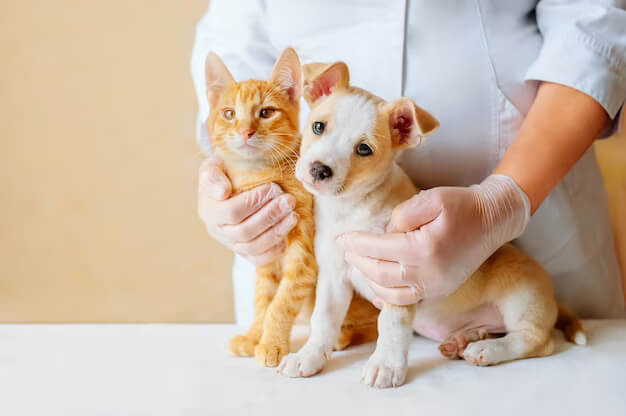
Features of caring for kittens after sterilization depend on the method of performing the operation and administering anesthesia. After inhalation anesthesia, the cat quickly regains consciousness, it can be fed after 2-4 hours, and special monitoring is not required.
In the veterinary hub, operations are performed using: inhalation (gas) anesthesia, combined and intravenous anesthesia. The optimal type is selected for each patient individually by the anesthesiologist, based on the previous history and the results of diagnostic examinations.
The kittens are “returned” home in a generally stable condition. You do not need to watch the pet recover from anesthesia at home.
The pet should be wearing a blanket or a specialized T-shirt to prevent licking the postoperative stitches.
The first 2-3 days after the operation, limit additional loads (long walks, stairs, jumping, active games, classes with a dog trainer).
Care for postoperative stitches (carry out treatment for healing) and on the 10th day after the operation – removal of stitches.
In the Veterinary Hub at the address: Kyiv, Velyka Zhytomyrska St. You can always get complete information from each doctor (therapist, surgeon, anesthesiologist and cardiologist) regarding the performance of Ovariohysterectomy. Answers to questions about each stage of preparation and the operation itself will be provided in full. And after the appointment and diagnostic examinations, our doctors will definitely communicate with you.
How Much Does Spaying and Neutering Cost in Kyiv?
The cost of sterilization depends on the type and weight of the animal, the method used (classic or laparoscopic), and the selected anesthesia.
Cost components:
-
The cost of sterilization depends on the type and weight of the animal, the method used (classic or laparoscopic), and the selected anesthesia. Cost components: 850 ₴
-
Preoperative blood test package 1 550 ₴
-
Anesthesia for cats (long-acting) 1 250 ₴
-
Anesthesia for dogs (long-acting) від 1 450 ₴
-
Cat spaying (classic) calculated individually
-
Cat neutering calculated individually
-
Female dog spaying (classic, depending on weight) calculated individually
-
Dog neutering (depending on weight) calculated individually
-
Laparoscopic spaying calculated individually
Make an appointment

FAQ
The exact cost of spaying or neutering is calculated individually after examination. It depends on the animal, the planned procedure, anesthesia, and whether additional pre-operative tests are needed. HAB VET does not use one universal surgery price for every pet. During the consultation, the veterinarian assesses the animal and explains the expected cost for the specific case. The clinic in Kyiv is open from 9:00 to 20:00.
At HAB VET, cat spaying can be considered from around 7–8 months, while the best timing is determined individually by the veterinarian after examining the animal. Age is only one factor: general health, development, reproductive status, and other individual circumstances may also matter. Adult cats can also be spayed if there are no contraindications. The veterinarian will advise when the procedure is most appropriate for your cat.
Spaying during heat may be possible, but the decision should be made individually after a veterinary examination. During heat, reproductive tissues have an increased blood supply, which can make surgery more complex than a routine procedure performed between heat cycles. If there is no urgent reason to operate immediately, the veterinarian may recommend another time. HAB VET assesses the animal’s condition first and advises the safest option for the specific case.
Yes. Spaying and neutering are surgical procedures performed under general anesthesia so the animal does not feel pain during the operation. Before surgery, the veterinarian examines the pet and may recommend additional tests when needed. This helps the veterinary team assess the animal’s condition and plan anesthesia appropriately. Owners should also follow the clinic’s pre-operative instructions, including any recommendations concerning feeding and preparation before the scheduled procedure.
After surgery, the pet needs rest, monitoring, and protection of the surgical area according to the veterinarian’s instructions. Activity may need to be limited while the incision heals, and the animal should not be allowed to lick or damage the surgical site. Recovery after cat spaying commonly takes around 10–14 days. If you notice unusual swelling, discharge, persistent lethargy, refusal to eat, or other concerning symptoms, contact the veterinary clinic.