First veterinary HAB

Preoperative block in Kyiv

Effective treatment of small pets is impossible without reliable diagnostics. Instrumental studies make it possible to detect even minor changes in the tissues of organs without concomitant disorders of their functions. Surgery is a popular area of ​​veterinary care in cases where therapeutic treatment has no dynamics or does not allow achieving stable remission. Surgical intervention for animals is indispensable in the following cases:
  • in case of damage to the musculoskeletal system – sprains, dislocations, joint injuries, complicated bone fractures;
  • in case of severe damage to internal organs and their ruptures;
  • in the presence of advanced necrotic processes;
  • in case of the appearance of neoplasms;
  • in case of the need to remove foreign bodies from tissues and hollow organs.
Stages

A doctor’s examination is performed to diagnose the condition and determine the importance of performing a diagnostic, planned or emergency manipulation. First of all, attention during the examination is focused on the functioning of the vital systems of the body: respiratory, cardiovascular and excretory. It is also necessary to assess the condition of the skin, visible mucous membranes, and the degree of fatness. A detailed history of the animal’s life is collected: what it eats, under what conditions it is kept, whether it has been vaccinated. The history of the development of the disease includes symptoms of the disease, previous treatment, anesthesia, allergic reactions, chronic diseases, etc. Auscultation of the chest is performed and the general body temperature is measured.

Following a naked diet is necessary for: 1. Blood tests 2. Before diagnostic or surgical intervention using general anesthesia. 3. Before, A pet should be hungry before taking blood tests – 6-8 hours; before anesthesia – 4-6 hours. Before this, it is necessary to feed in small portions and it is recommended to exclude food that takes a long time to digest (rice, buckwheat porridge, dry food, etc.). Water does not need to be taken away, it is always available and fresh. Exceptions! – If the pet weighs less than 2-2.5 kg, and is under 3 months old, it can be left without food for no more than 2 hours before the manipulation. – For rodents and rabbits, a fasting diet is indicated 2 hours before blood sampling and before diagnostic or surgical intervention using general anesthesia. It is recommended to feed the pets a small portion of food or an easily digestible mixture (rodents and rabbits) before the planned diet and to take wet food or favorite treats (rodents and rabbits) with you so that you can nibble immediately after waking up and stabilizing the condition. – Brachycephalic breeds. These include: French bulldogs, pugs, shih tzu, Pekingese, manulas, exotics, British cats, etc. In such pets, digestion takes longer, so before blood sampling, the fasting diet varies between 7-8 hours, before anesthesia – from 8 to 9 hours. – Before diagnostic manipulations affecting the gastrointestinal tract (colonoscopy, gastroscopy) – the fasting diet consists of 6 to 8 hours.
1. A complete blood count is one of the most important diagnostic methods and includes a variety of hematological tests that allow you to obtain detailed information about the state of peripheral blood. Thanks to a complete blood count, you can detect a large number of abnormalities, namely: hematopoiesis disorders, acute or chronic inflammatory processes (bacterial or viral in nature), allergic reactions, and disorders of the body’s reactive response. 2. Biochemical blood test – aimed at studying more than two dozen markers of the body’s metabolism, deviations from the norm of which are a symptom of the development of diseases or disorders of the functioning of systems and organs, as well as metabolism. Assessment of the functionality of animal organs is important, since many diseases can occur chronically, without clinical signs and symptoms, and during surgery they can lead to complications. 3. Coagulogram – a study of blood clotting. During the examination of a narrow-profile doctor and collection of a patient’s medical history, additional specific markers may be prescribed. The @vet.lab laboratory works around the clock and has a wide range of tests, so the necessary results are obtained on time – they give preference to diagnostics before surgical intervention.
ECG (electrocardiogram). This method allows you to diagnose cardiac disorders. The study is carried out in case of detection of relevant signs during auscultation (listening), to minimize the risk of anesthetic complications before performing manipulations under general anesthesia, as well as as part of a preventive examination of animals with a hereditary predisposition to this pathology. Measurement of blood pressure (tonometry). At a routine examination, tonometry is a standard procedure, in addition, it is also one of the most important diagnostic methods before surgical intervention. An increase or decrease in blood pressure can cause a disease, as well as be a sign of it. This indicator is of great importance in the patient’s information letter to the anesthesiologist. Echocardiography, or ultrasound examination of the heart. This is one of the most effective methods of diagnosing both congenital and acquired pathologies of the heart muscle, which allows you to assess the degree of their manifestation. Echocardiography is used to study the dynamics of circulating blood, the functioning of heart valves, and the walls of the heart. This study also helps to visualize the internal structure of the organ and valves, and to assess the nature and speed of blood flow. Echocardiography will allow you to study your pet’s cardiovascular system in more detail. After all, by penetrating the very depths of the heart, a cardiologist can detect changes in the left or right ventricle, any thickening of the vessels, areas of myocardial damage, the valve apparatus, and much more.

Additional instrumental diagnostics

It is prescribed for suspected free fluid in the chest or abdominal cavity, before cesarean section (including counting the fetal heart rate), suspected tumor metastases or rupture of abdominal organs, purulent inflammation of the lymph nodes, the presence of cystic formations in the prostate gland, the presence of stones in the bladder, etc. In addition, under the control of an ultrasound scanner, a puncture of internal organs and cavities is performed under local anesthesia. This guarantees the accuracy of getting into the lesion and the safety of the manipulation. In the future, the fluid can be sent for diagnostics in the laboratory.
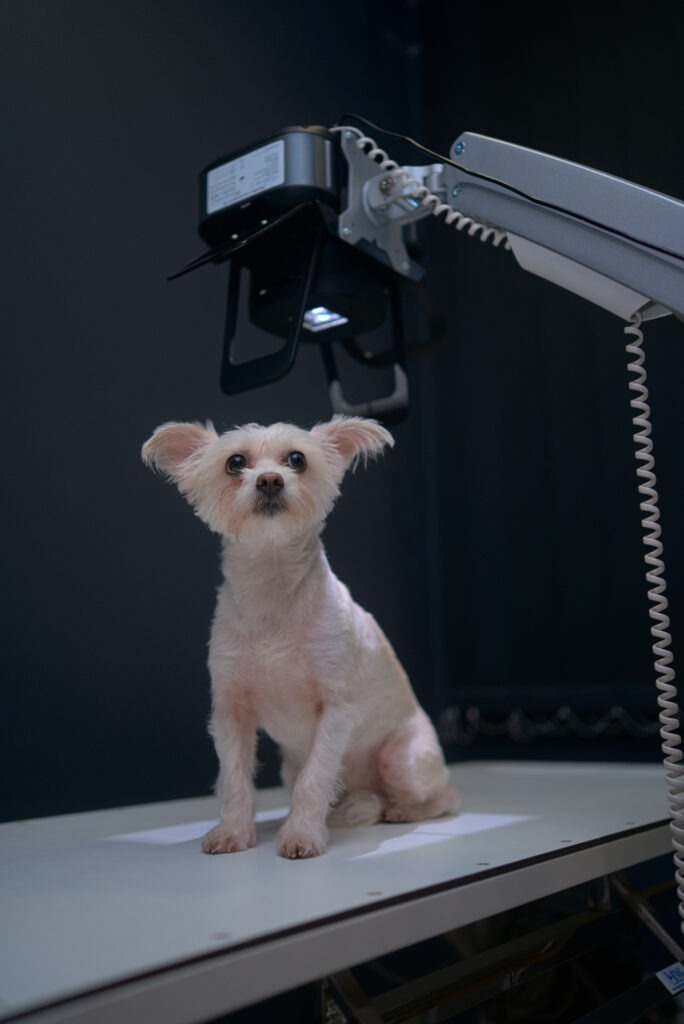
This method is used to detect and assess not only bone tissue damage or pathological formations in the lungs, but also to understand other problems (increased pneumatization of the intestine, stages of pulmonary edema and their location, organ silhouettes, etc.). Use together with a contrast solution injected into hollow organs or vessels helps to detect stones, foreign objects, foreign objects in the gastrointestinal tract or blood clots. Visual diagnostics are indispensable in veterinary surgery. A patient information card for an anesthesiologist, which contains the results of research on the functioning of organs and the circulatory system, the presence or absence of pathologies of the cardiovascular system, and your pet’s previous history, allows you to choose the most effective anesthesia protocol and reduce the risks of anesthetic support. Information about the volume and nature of the pathological focus, the location of neighboring organs, and the doctor’s knowledge of blood vessels guarantee the effectiveness and safety of the operation.

Price

Make an appointment