
Signs of stress and PTSD in animals in Kyiv
Dogs

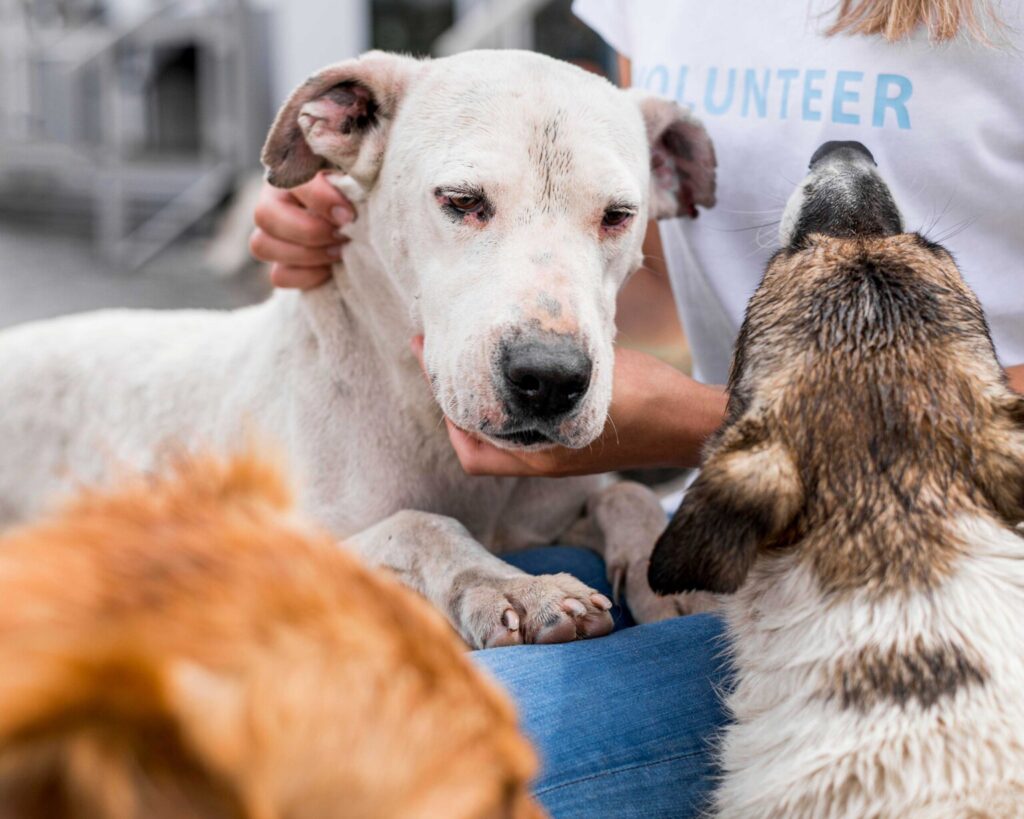
Stress in dogs in peacetime is usually provoked by fireworks and excessively loud noises, which cause many animals to break free from their leashes and even run away. In wartime, sirens and the sounds of explosions become such triggers.
Signs that an animal is nervous and needs your attention are: excessive excitement and chaotic behavior, lowered head and tucked tail, attempts to hide or, conversely, escape, as well as digestive disorders and refusal to eat.
Cats
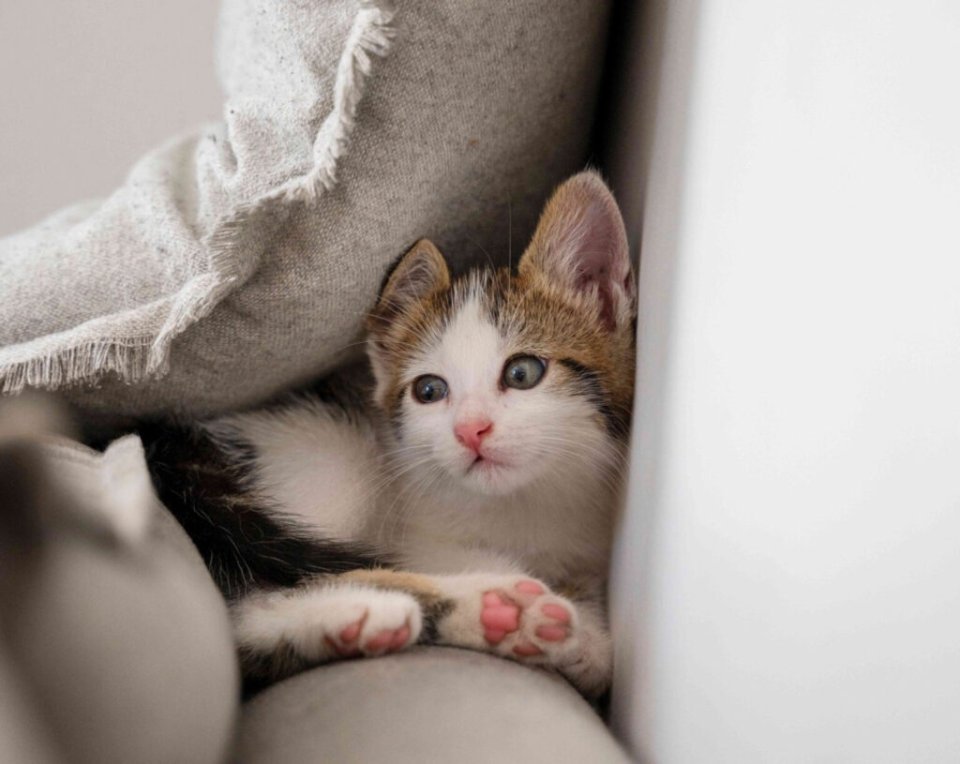
It is noteworthy that unlike dogs, cats may not show signs of stress so clearly. Similarly, felines do not clearly show signs of PTSD. Much depends on the nature of the animal, but for the most part, cats have a strategy of freezing and waiting in stressful conditions. Hiding in a relatively calm place, the cat may lick its nose or breathe rapidly, which indicates anxiety.
Also signs of chronic stress are nausea and diarrhea in a cat, excessive salivation and body tremors, and even defecation outside the tray, provoked by stress cystitis.
Rodents
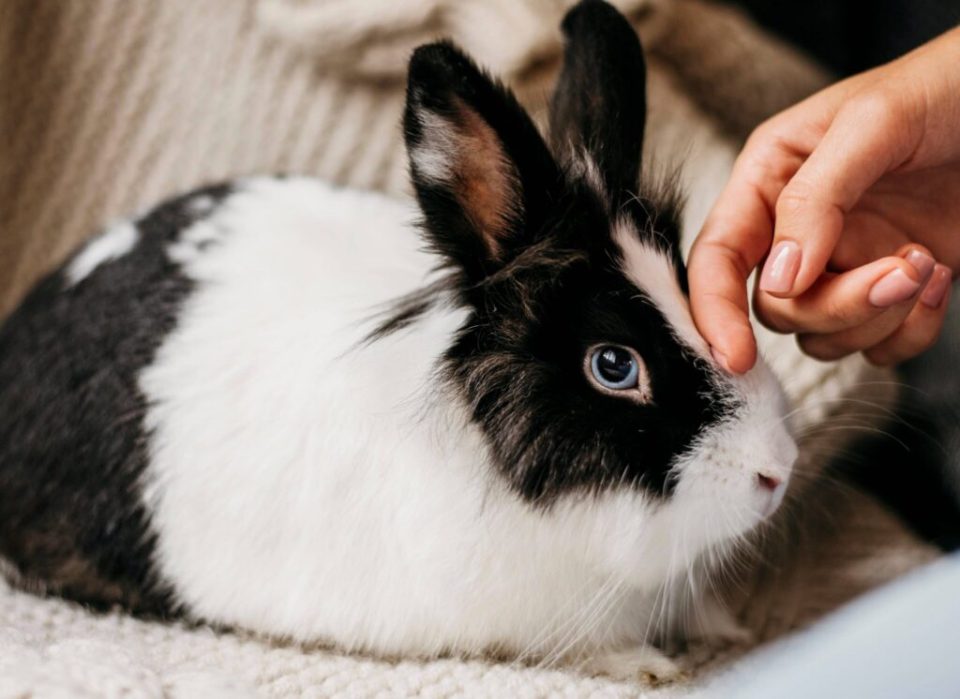
Unlike cats and dogs, rodents are naturally more sensitive to extraneous sounds and movements, because they have evolved to react to them in order not to become a victim of a predator. At the same time, they do not signal stress to their surroundings so noticeably.
Therefore, against the backdrop of military events, monitor your pet’s behavior, because the owner is better able to see what is normal for his animal and what is not. If your animal used to be calm, but now it is too restless, this is a reason to think. If it used to be active, but now it freezes, this is also probably a sign of stress.
Birds
As with most pets, loud noises and disruption of activity schedules are the main stressors for parrots and canaries. In particular, birds should sleep in a dark place for up to 10 hours a day. If they are constantly disturbed by sharp sounds or flashes of light while resting, this has a negative effect on their psyche and well-being.
Signs of stress in birds are the same uncontrollability, apathy, and freezing/lack of reaction to external stimuli. Also, a stressed bird is prone to causing harm to itself, for example, rubbing or hitting a perch or feeder.
How to help an animal cope with stress?
The main and perhaps most difficult advice for pet owners is to stay calm yourself. In fact, it makes sense, because animals sense and literally smell their owner’s nervousness. It’s all about hormones: dogs, in particular, easily recognize the smell of cortisol, adrenaline, and noradrenaline in the owner’s presence.
Another piece of advice is not to pet your pet in an attempt to comfort him. Either leave him alone where he is calm, or stroke him with confident, calm movements instead of panicky, chaotic ones.
If you are planning a move or observe a very pronounced nervousness in your animal, consider using sedatives. However, no self-medication. Consult with your veterinarian about the drug and its dosage. Some drugs have a cumulative effect, while others act immediately after application. It is also important to take note of the animal’s history so as not to harm it.
PTSD in pets
The main difference in the behavior of an animal that indicates the likelihood of PTSD, and not stress, is spontaneous and uncontrolled aggression, including towards the owner. This is an acute reaction to the memory of a traumatic event, which is not always associated with triggers (sharp movements, loud sounds, etc.). An animal with PTSD behaves inadequately to the circumstances and needs the help of a specialist.
Rehabilitation after PTSD may go away on its own, or the intervention of a doctor may not help: everything is very individual. Treatment of PTSD in an animal consists mainly in eliminating the associative series in the animal’s imagination, which returns it to the stressful situation. A vivid example of PTSD is the behavior of service dogs that spend too much time in a combat zone and, being trained and hardy, suddenly change their behavior towards their owner.
One way or another, do not forget and realize, please, that in the tandem “human – pet” you are the main one and are responsible for your animal. Your actions and well-being determine the condition of your pet.
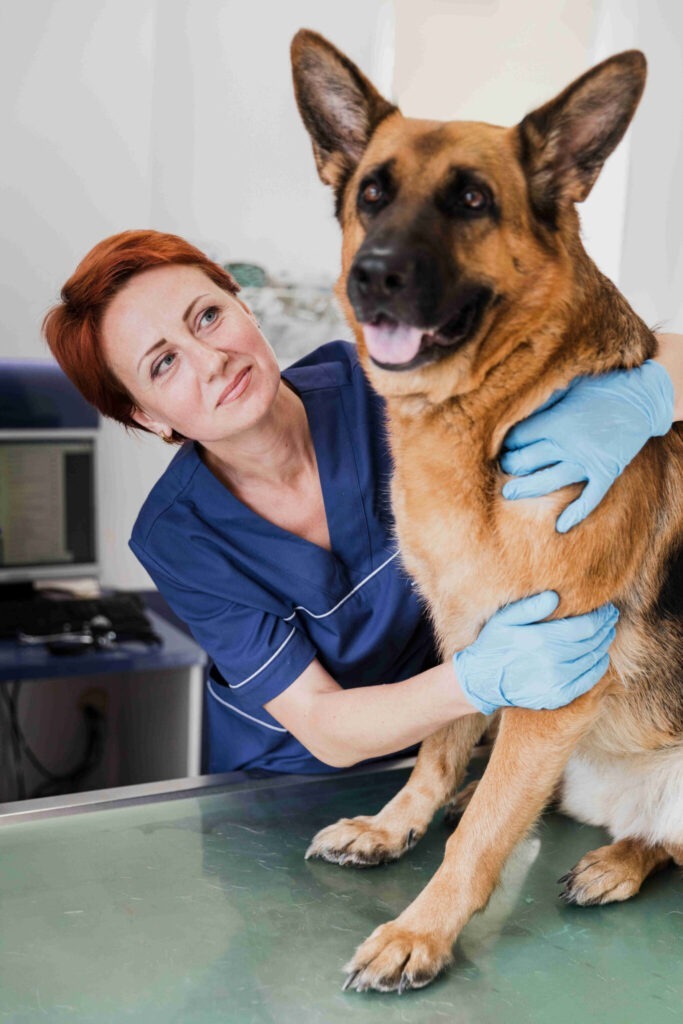
If you see that you need the help of a specialist, do not ignore the opportunity to seek professional help. In particular, in our veterinary hub you can get advice and professional help for an animal in a stressful state. Hab Vet doctors have sufficient experience and competence to prescribe effective medications for the animal’s nervous system. The clinic can conduct cardiological examinations and ultrasound, and conduct laboratory tests to establish a clear diagnosis. Also, after the examination and tests, Hab Vet doctors can create an individual guide for your pet to overcome PTSD, if diagnosed.
Make an appointment with a Hab Vet veterinarian by phone
+38 (067) 190 61 72 or online on the website
Make an appointment
