
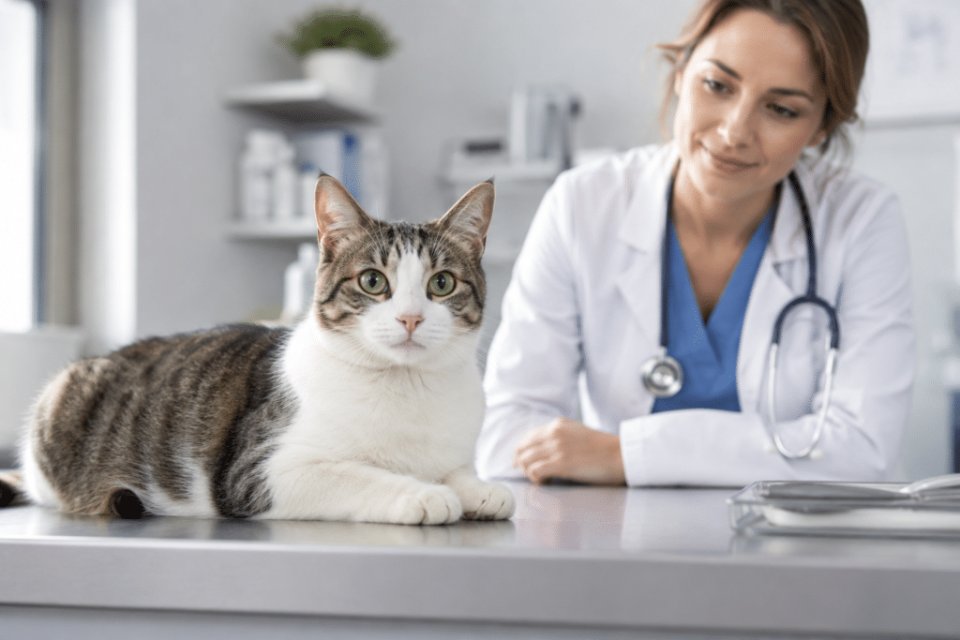
At HAB VET, spaying a cat is recommended to be considered from around 7–8 months, with the optimal time determined by the vet after an examination. Surgery is also possible during heat and for a pregnant cat, but with higher risks and only by individual medical decision. Recovery takes 10–14 days. The price is calculated individually after examination. The clinic (Kyiv) works 9:00–20:00.
Spaying is one of the most common planned surgeries in veterinary practice. It not only prevents unwanted litters but may also reduce the risk of several reproductive-system and mammary-gland diseases. Below you’ll find answers to all the key questions owners ask most often: when the surgery can be done, whether it’s acceptable during heat and pregnancy, how everything works, how much it costs, and how to care for your cat afterward.
At What Age and When Can You Spay a Cat?
At HAB VET, spaying a cat is recommended to be considered from around 7–8 months. The optimal time for the surgery is determined by the vet individually after examining the animal. By this age a cat has usually reached sufficient physiological maturity, yet every case is individual, so the final decision is made based on the state of the specific animal.
This doesn’t mean spaying is impossible at another age. A cat can be operated on later — as an adult or even a senior — provided there are no contraindications. The main condition is satisfactory health, confirmed by examination and, if needed, additional tests. There is no strict upper age limit: what matters is not so much age as the overall condition of the body and the results of pre-operative preparation.
Approximate age for spaying
At HAB VET, spaying is advised to be considered from around 7–8 months, but the specific timing is determined by the vet individually. Owners shouldn’t set a date on their own based only on age: it’s far more important to assess the animal’s readiness for anesthesia during the examination.
Can you spay an adult or senior cat
Yes, age itself is not a contraindication. Adult and senior cats are spayed regularly, but before surgery it’s important to assess overall health. A pre-operative examination may be required for this, helping to select anesthesia more safely and minimize risks.
Can You Spay a Cat During Heat?
Yes, you can spay a cat during heat, but it involves higher risks compared to surgery during a calm period. During heat, the blood vessels of the reproductive organs are engorged, the tissues become more fragile, and this increases the likelihood of bleeding and complicates the surgeon’s work. That’s why, when possible, the surgery is usually recommended to be scheduled between heat cycles, when the animal’s hormonal background is more stable.
At the same time, there are situations when waiting is impractical — for example, when heats follow one another with almost no break, or the owner cannot postpone the procedure. In such cases, spaying during heat is possible, and the decision is made after examining the animal. The vet assesses the cat’s general condition and the phase of the cycle, then determines whether it’s worth operating now or safer to wait a few weeks. This approach makes it possible to account for the individual features of each animal.
If you’re unsure about timing, it’s best to consult in advance. You can book a cat spaying at HAB VET for a consultation, where the vet will advise the optimal time for your particular animal.
Can You Spay a Pregnant Cat?
Yes, spaying a pregnant cat is possible, but the question is always decided by the veterinarian individually after examination. The vet takes into account the stage of pregnancy, the animal’s general condition, and medical indications. This is a more complex intervention than a planned spay: during pregnancy the uterus is enlarged, the vessels are heavily engorged, and the strain on the animal’s body increases, which raises the complexity of the surgery and requires more thorough preparation and monitoring.
It’s important to understand that spaying a pregnant cat is not a routine planned procedure done “on request.” The decision about such surgery is made carefully, taking into account the possible risks to the animal. In the absence of medical indications, the vet may recommend a different approach or different timing, so pregnancy shouldn’t be treated as a reason to operate urgently without a consultation.
Since risks and tactics differ at various stages, the final word always rests with the vet. After the examination, they assess the specific situation, explain the possible options, and advise the safest plan of action for your cat. That’s why, if pregnancy is suspected and spaying is needed, the right step is not to decide on your own but to seek a consultation.
How Is Cat Spaying Performed?
Cat spaying is a planned abdominal surgery performed under general anesthesia and usually taking a short amount of time. The general sequence includes a pre-operative examination, preparation, the surgery itself, and recovery from anesthesia under supervision. As a rule, the animal spends a few hours at the clinic, after which she can be taken home.
Proper preparation before the surgery and correct care and recovery monitoring afterward are both important. Both stages equally affect how easily the animal tolerates the procedure. Let’s look at two key moments in more detail.
Preparation and pre-op examination
Before spaying, an examination is carried out to assess the cat’s health and confirm there are no contraindications. If needed, the vet prescribes additional tests. Usually, on the eve of the surgery, it’s recommended to keep the cat without food for several hours — exact fasting instructions are provided by the vet at booking.
What happens during the surgery
The surgery is performed under general anesthesia, so the cat feels nothing. The surgeon removes the reproductive organs and then closes the incision. The intervention itself is usually short, and once it’s complete the animal gradually recovers from anesthesia under staff supervision until she can be safely transported home.
How Much Does Cat Spaying Cost in Kyiv?
The cost of spaying a cat in Kyiv depends on several factors, so there is no single fixed sum. At HAB VET, the price is calculated individually after examination. The final cost is influenced by the animal’s age and weight, her health, the need for additional pre-anesthesia tests, and the individual features of the specific case.
Because of this, relying solely on “average” prices from the internet isn’t always correct: two outwardly similar cases may differ in the amount of preparation required. For example, an adult cat or an animal prone to chronic conditions may need a more thorough pre-operative examination, and this affects the final estimate. That’s exactly why the most accurate price information can only be obtained after a consultation, when the vet examines the animal and takes all nuances into account.
This individual approach helps avoid unpleasant surprises, plan your budget in advance, and understand exactly what you’re paying for. To find out the cost for your cat, it’s convenient to book a cat spaying right away — during the appointment you’ll receive an individual estimate and can choose the optimal time for the surgery.
Care and Recovery After Cat Spaying
Caring for a cat after spaying comes down to protecting the incision, ensuring rest, and monitoring the animal’s general condition. In the first days the cat may be lethargic after anesthesia — this is normal. The owner’s main task is to provide a quiet warm place, prevent the animal from licking the incision, and follow the vet’s recommendations on wound care and feeding.
Full recovery after spaying usually takes 10–14 days. During this time the incision heals and the animal returns to her usual way of life. It’s important to watch for warning symptoms and contact the clinic if they appear, without waiting for a scheduled visit.
The first days after surgery
In the first days a special recovery suit or collar is put on the cat so she doesn’t injure the incision. Feeding after anesthesia is resumed gradually and in small portions. Activity should be limited: it’s worth avoiding jumps from a height and excessive play until the incision heals.
How long a cat recovers
The approximate full-recovery period is 10–14 days. Reasons for urgent contact with the vet include swelling or redness around the incision, discharge, refusal to eat for more than a day, persistent lethargy, or elevated temperature. With a normal course, the cat quickly returns to activity.
Frequently Asked Questions
Do I need to spay my cat if she never goes outside?
Spaying can be beneficial even for indoor cats that never go outside. It may reduce the risk of certain reproductive-system diseases and eliminates hormonal heat cycles, during which a cat may become restless, vocal, and sleep poorly. It also prevents an unwanted pregnancy if accidental contact with another cat occurs. A veterinarian can advise whether spaying is appropriate for your cat and help choose the best time after an examination.
How long does it take a cat to recover from anesthesia?
The main recovery from anesthesia usually happens within a few hours, and in many cases the cat can go home the same day. However, full coordination may take up to a day to return. During this time, the cat may be sleepy, unsteady, or less active than usual. Provide a quiet, warm, safe place away from stairs and high surfaces, and allow the cat to rest until she has fully recovered.
Does a cat’s temperament change after spaying?
Spaying does not usually change a cat’s basic personality or temperament. What often decreases is behavior connected with heat cycles, such as loud vocalization, restlessness, marking, or attempts to escape. Some cats may appear calmer afterward, but they remain the same animal in terms of habits and personality. Weight gain is not inevitable and can usually be managed with an appropriate diet and regular activity after recovery.
Is fasting required before the surgery?
Yes, cats are usually asked to avoid food for several hours before anesthesia to help reduce the risk of complications. However, the exact fasting period and whether water should be restricted depend on the animal’s age, health, and the veterinarian’s instructions. Do not choose the fasting period yourself. Ask the clinic for specific preparation instructions when booking the procedure so your cat can be prepared safely for anesthesia.
Can I take my cat home on the day of the surgery?
Yes, in many cases a cat can go home on the same day after recovering from anesthesia under clinic supervision. Before discharge, the veterinarian will make sure the animal is stable and provide instructions on incision care, feeding, and activity restrictions. At home, keep the cat in a quiet and warm place and monitor her closely during the first days. Contact the clinic if you notice any worrying changes.
Book a Cat Spaying at HAB VET
Planning a spay and want to know the exact cost for your animal? At HAB VET in Kyiv, the vets will examine your cat, give individual recommendations, and calculate the price for your specific case. The clinic is open daily from 9:00 to 20:00. You can review the details and choose a convenient time on the cat and dog spaying/neutering service page — book your appointment today.
