
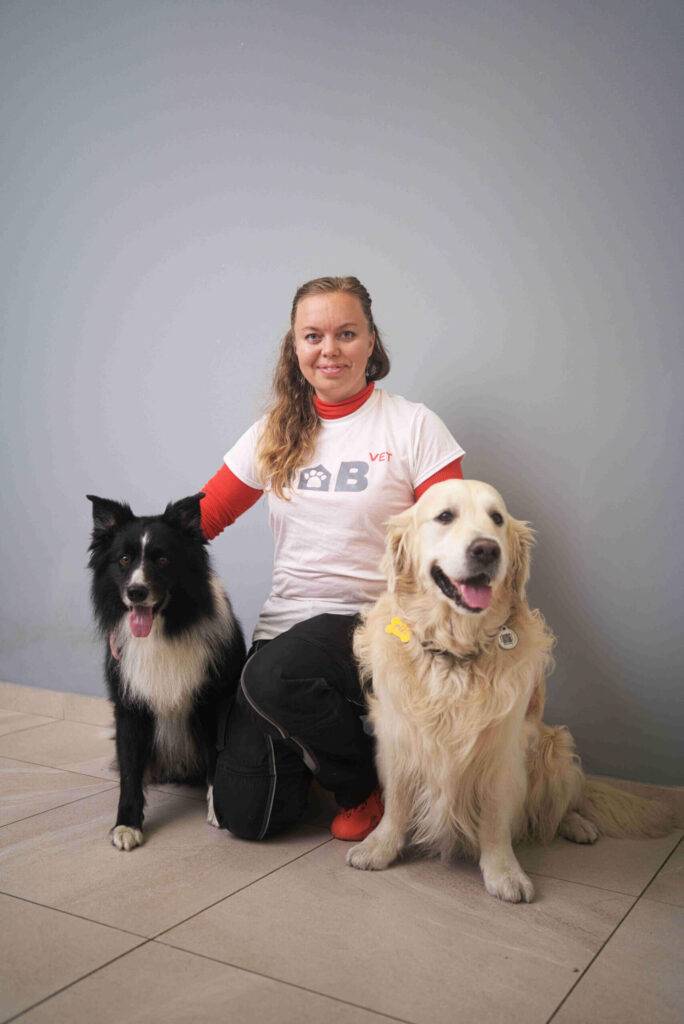
Chuprun Natalia Volodymyrivna
Clinical approach and multidisciplinary role at the clinic
Chuprun Nataliya Volodymyrivna brings seven years of clinical experience to patient care at our multidisciplinary veterinary hub in Kyiv. She combines thorough history-taking with targeted diagnostics and evidence-based treatment planning, always within the clinic’s quality frameworks and standard operating procedures. Her work emphasizes clear communication with owners, coordinated care among specialists, and stepwise monitoring of treatment outcomes to ensure continuity and safety.
In practice, Chuprun Nataliya Volodymyrivna integrates physical examination findings with laboratory data and imaging results to form a structured diagnostic pathway. She collaborates closely with colleagues across internal medicine, surgery, anesthesia and diagnostic services so that each case benefits from multiple perspectives. This team-based model supports the development of individualized treatment plans and timely adjustments when a patient’s condition evolves.
Communication is central to her approach: Nataliya prioritizes explaining diagnoses and therapeutic options in plain language, setting realistic expectations, and discussing potential risks and follow-up needs. This ensures owners are active partners in care, understand the rationale behind recommendations, and know when to seek urgent reassessment. Clear documentation and informed consent are standard parts of her consultations.
Within the clinic’s quality system, she follows standardized protocols for common conditions while applying clinical judgment for atypical or complex cases. Regular case review meetings and peer consultations help maintain consistent standards and improve outcomes. Preventive care is also a focus—Nataliya works with owners to create tailored vaccination, parasite control and nutrition plans that support long-term health.
Overall, her role in the Kyiv hub emphasizes coordinated, transparent and evidence-informed care. Through teamwork, methodical diagnostics and open communication with owners, she contributes to a clinical environment where patient welfare and client trust are priorities.
Services and role within the team
What diagnostic methods does the veterinarian use at the clinic?
The direct answer: diagnostics are performed using a combination of clinical examination, laboratory testing and imaging as needed. This typically includes complete bloodwork, biochemical panels, urinalysis, microscopic examination of samples and imaging studies when indicated. Results are interpreted in the context of the patient’s history and clinical signs, and findings are discussed within the multidisciplinary team to produce a coherent diagnostic impression and an appropriate treatment plan.
How is a treatment plan created and monitored?
The direct answer: treatment plans are individualized based on diagnostic findings and clinic protocols, then reviewed with the owner. Plans define therapeutic goals, timelines and possible alternatives. Monitoring involves scheduled follow-ups, repeat testing when necessary, and adjustments based on response to therapy. For complex cases, team consultations ensure coordinated care and timely intervention, while documented follow-up instructions keep owners informed about at-home care and warning signs.
How does the veterinarian communicate risks and prognosis to owners?
The direct answer: communication is clear, concise and immediate. The veterinarian explains the diagnosis, outlines realistic prognostic expectations, and identifies potential risks associated with each option. Owners receive practical guidance on what to expect during recovery, signs that require urgent attention, and the timeline for reassessment. This transparent approach helps owners make informed decisions and fosters a partnership-based relationship between the clinic and the client.
Why is multidisciplinary care important for pet patients?
The direct answer: multidisciplinary care brings together different specialties to address complex or multifactorial conditions more effectively. By coordinating input from internal medicine, surgery, anesthesia, diagnostics and nursing staff, the team creates comprehensive care plans that consider all aspects of the patient’s condition. This collaborative model improves diagnostic accuracy, tailors treatments to individual needs, and enhances overall patient safety and recovery outcomes.
