
Ratologist in Kyiv
When caring for a pet that has won your heart and become your pet, it is imperative to have your doctor at arm’s length! At first glance, it seems that there is no problem with chinchillas, squirrels, guinea pigs and other small rodents and rabbits. But having a completely different anatomy and physiology from other animals, they require a special approach from the veterinarian, special knowledge and skills that allow the veterinarian to add the prefix RATOLOGY to his title.

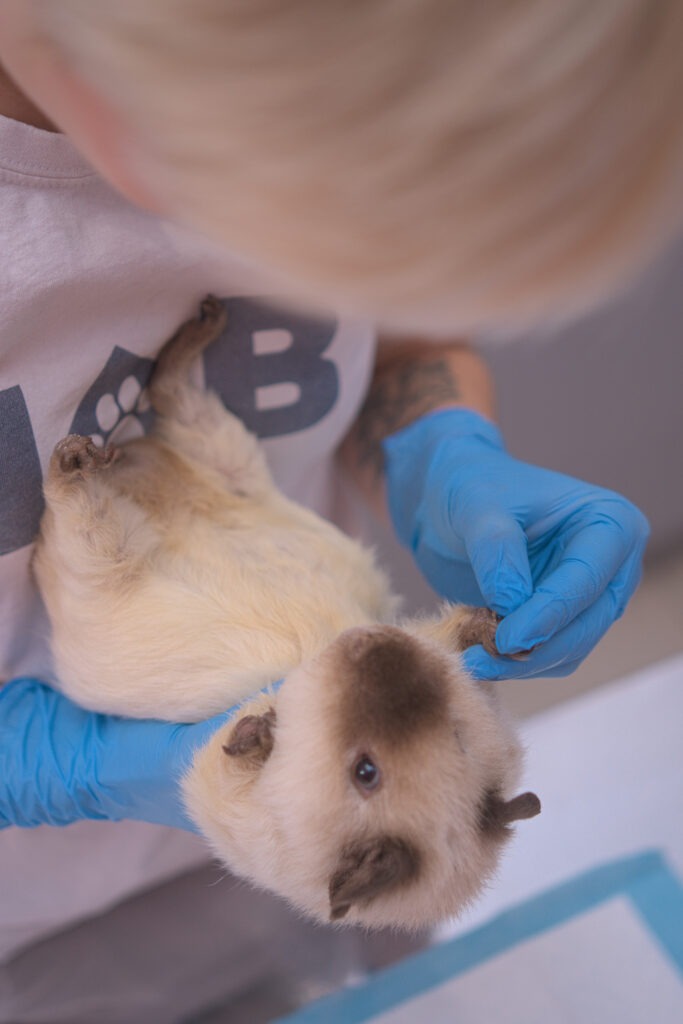
Why is the ratologist in our hub?
Rodent organisms are significantly different from the organisms of larger animals, so it is important that the examination and treatment be carried out by a specialist in this field. The ratologist of our veterinary hub is competent and careful. We are contacted for the following reasons:
- carrying out procedures at any time of the day
- reasonable prices
- use of modern reliable equipment
- attentiveness to each pet
- effective treatment of various animal diseases
- providing a full range of services: from recommendations for the maintenance and prevention of diseases to surgical intervention and treatment in an inpatient department
- We have our own laboratory, where general clinical studies and specific markers are conducted, and most importantly - the results are always on time.
- convenient location of the clinic
Animal inspection
At the reception, the veterinarian ratologist examines the animal. These can be rats, mice, guinea pigs, rabbits, martens, exotics. Before the examination, the doctor studies the conditions of detention and the medical history of the pet. Then a full examination of the pet is performed. It includes auscultation (listening) and palpation (feeling).
Temperature is also measured, examination of the oral cavity and auditory canals is performed. If additional diagnostics are required to determine the condition: these may be blood tests or/and specific markers, ultrasound diagnostics, X-rays, scrapings from the affected areas and subsequent microscopy of the material – the doctor must inform about this and perform these manipulations immediately in the clinic.
At the end of the examination, a diagnosis is made and treatment is prescribed.
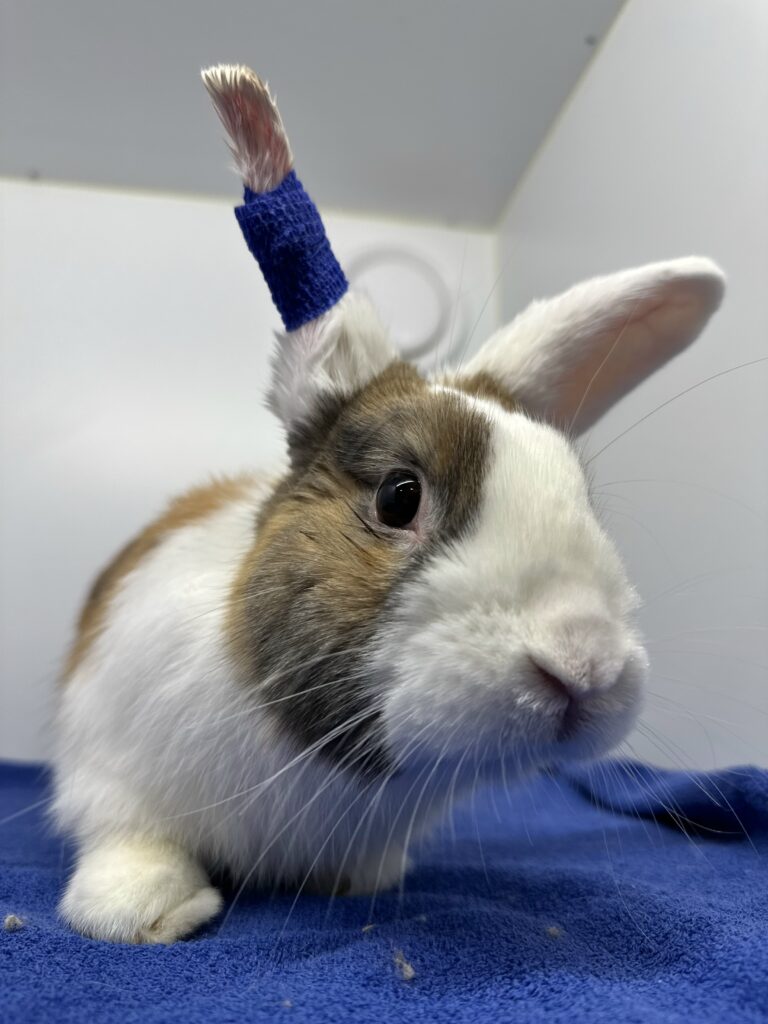
Correction of prolapsed cheek pouch in hamsters
Hamster owners often notice the appearance of a foreign body in the mouth or near the cheeks of their pet. Usually they find a prolapsed or inverted cheek pouch. The reason for this is that they are overfed with large roughage or eating foreign objects. Also, these cute little rodents can hide their favorite food for later.
The procedure is simple and is performed under inhalation anesthesia on the day the hamster is admitted.
It is important to remember: the earlier the procedure is performed, the fewer complications there will be in the future.
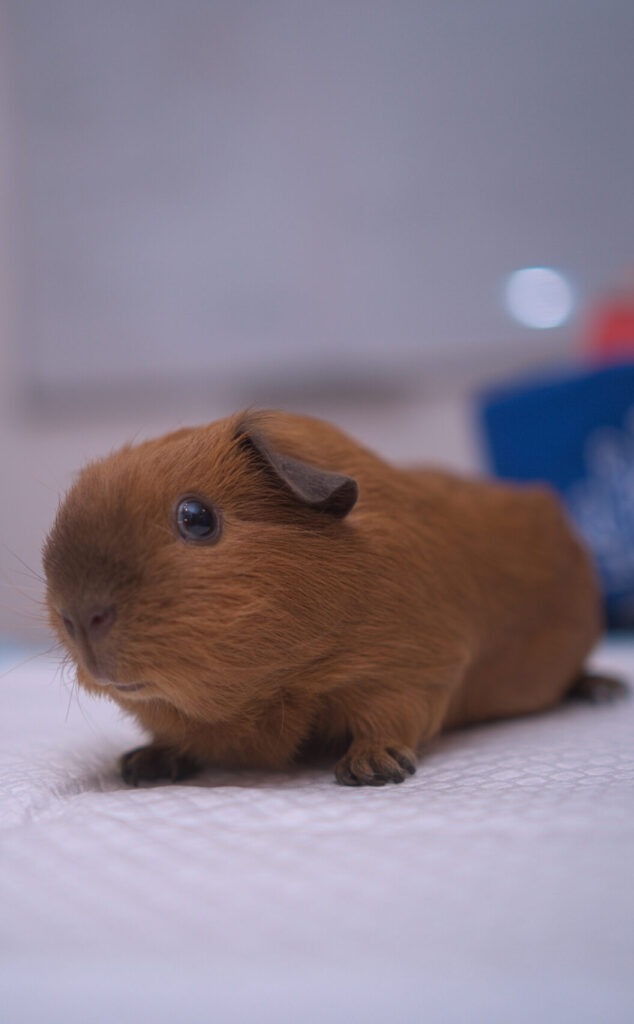
Rodent dentistry
Treatment of dental diseases depends on the type and severity of the lesion. The goal is to restore normal anatomy and function of the teeth, as much as possible. The teeth of rodents grow throughout their lives. Due to roughage, they are worn down. If the animal eats only soft flakes, this process is disrupted. The sharp ends that form tear the tissues in the mouth. Other causes of diseases are infections, metabolic disorders, calcium deficiency in the diet, birth defects, injuries. Dental diseases are quite common in small pets. All teeth can be involved in the painful process: incisors, premolars, and molars. These can be:
• fractures of incisors and cheek teeth;
• overgrown teeth;
• sharp pins on the teeth;
• infection of the tooth roots and dental abscesses.
Dental treatment techniques include the following methods and procedures: filing (grinding) teeth to normal length and shape. Complete removal of diseased teeth, treatment of pain, inflammation and infection. Owners should constantly closely monitor the symptoms of dental diseases in their pets. Signs that should be paid attention to and, if detected, do not delay a visit to a dentist:
• tearing on one or both sides;
• drooling;
• poor appetite;
• unpleasant smell;
• violation of the symmetry of the muzzle;
• redness of the gums;
• bleeding, swelling in the oral cavity;
• increased sensitivity;
• clearly expressed plaque, tartar;
• asymmetric or crooked incisors;
• broken tooth.
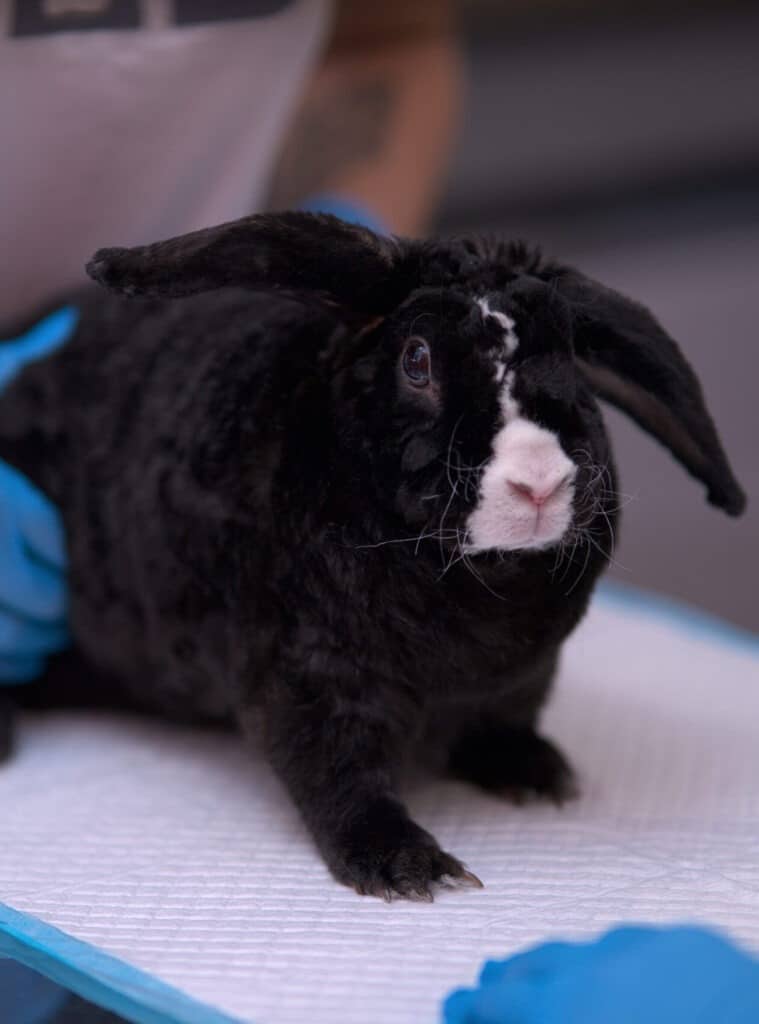
Rabbit diseases
A healthy rabbit is always active and has a good appetite. It has shiny eyes, a clean and soft nose, and smooth fur. The normal body temperature is 38-39.5 degrees, the pulse is 150-250 beats per minute, and the respiratory rate is 40-50 inhalation-exhalation cycles every 60 seconds. The feces are small, pea-shaped, and dark. The urine is thick.
But what to do if the animal suddenly becomes lethargic and uninitiated?
If your little pet refuses to eat; grinds its teeth; foams at the mouth; sneezes and discharges from the nasal passages; dilated pupils; cyanosis; colic; tension; constipation or diarrhea; excitement that turns into depression.
The Ratology Department of the Veterinary Hub works 24/7 and is always in touch with every owner of the furry ones. In case of any change in the general condition of the rabbit, you can get an online consultation and the doctor will provide a full consultation on the disease or invite you to the clinic for examination, diagnostic, surgical or resuscitation procedures. The most common diseases of rabbits
• Non-communicable diseases:
1. Poisoning
2. Gastrointestinal disorders
3. Catarrhal inflammation
4. Conjunctivitis
5. Rickets
6. Pododermatitis
7. Injuries and bruises
8. Painful conditions due to the influence of natural factors
• Infectious diseases:
1. Myxomatosis
2. Infectious stomatitis
3. Coccidiosis
4. Viral hemorrhagic disease of rabbits
5. Infectious mastitis
6. Helminthic invasion
7. Otodectosis
8. Flea invasion
9. Dermatomycoses
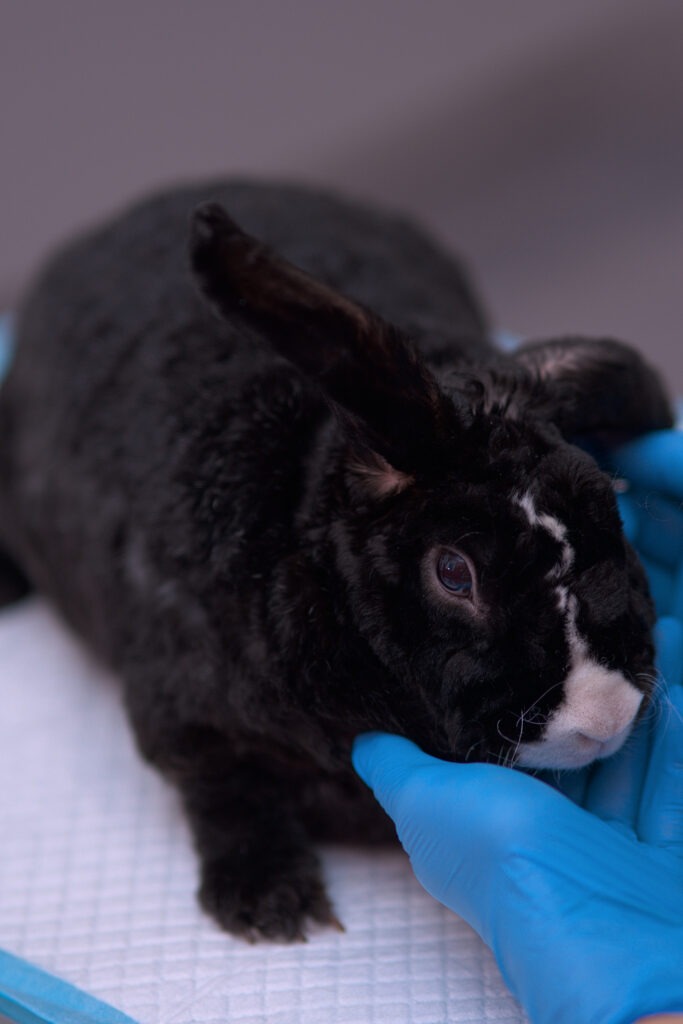
Disease prevention and vaccination of rabbits
Rabbits are susceptible to diseases, like any other domestic animal, and therefore require various preventive measures.
Preventive vaccination contributes to the development of strong systemic immunity and the development of the rabbit’s body’s resistance to certain diseases. The most common diseases against which decorative rabbits are vaccinated are myxomatosis, viral hemorrhagic disease of rabbits (VHDR) and rabies.
Vaccination is carried out only for clinically healthy rabbits.
Therefore, the first thing a qualified veterinarian-ratologist will do is collect anamnesis and information on the general condition at home; a complete examination of the pet: examination of the oral cavity and ear canals; auscultation (listening) and palpation (feeling); temperature measurement.
Castration and sterilization of rodents and rabbits
It is believed that neutering a rabbit improves its health, and therefore increases its lifespan. After neutering, the rabbit becomes calmer, gentler, and more friendly. There are no signs of aggression – attempts to bite or scratch the owner, run away, or hide.
Neutered rabbits stop marking their territory, become toilet trained more easily, and become much cleaner. Today, neutering rabbits is completely safe and does not harm their health, provided that the operation is performed by an experienced veterinarian. Males are usually neutered at five months of age, and females at six months of age. Guinea pigs and rats are subject to surgery if the owner keeps several animals of different sexes, as well as in the case of keeping two or more males or females to avoid clarifying the relationship between them.
It is important to remember that such operations as castration and sterilization of rodents and rabbits can be performed according to indications. These include neoplasms in the mammary glands, aplasia, glandular-cystic neoplasms of the mammary glands, inflammation of the uterine horns and the uterus itself, endometritis and pyometra, polycystic ovary syndrome, if we are talking about female animals.
Price
-
Clinical examination of the animal and consultation with a specialist doctor (ratologist) 850₴
-
Nail trimming 300₴
-
Teeth filing in rabbits and rodents 1 category 800₴
(excluding anesthesia)
-
Teeth filing in rabbits and rodents 2nd category 1200₴
(excluding anesthesia)
-
Venous blood sampling using a needle/catheter, rodents and rabbits 250₴
-
Complete blood count 400₴
-
Biochemical blood test (basic) 950₴
-
Short-acting anesthesia for rodents and rabbits 950₴
-
Long-acting general anesthesia for rodents 1050₴
-
Long-acting general anesthesia for rabbits 1250₴
-
Long-acting general anesthesia using mixed anesthesia 1000₴
-
Short-acting anesthesia using inhalation anesthesia (every 30 minutes) 800₴
-
Hospital treatment department for rabbits and rodents, category 1 (day) 800₴
-
Hospital treatment department for rabbits and rodents, category 2 (days) 950₴
Make an appointment
